Excelling at Marine Construction: Planning and Constructing Top-Tier Docks, Seawalls, and Boat Lifts
The field of marine construction requires a comprehensive grasp of multiple critical factors. Regulatory requirements, environmental factors, and material choices are all essential considerations. Successful projects depend on mitigating corrosion and ensuring structural integrity. Innovative approaches are emerging, but challenges remain. How can builders effectively integrate sustainability while maintaining functionality? Such solutions have the potential to reshape industry benchmarks.
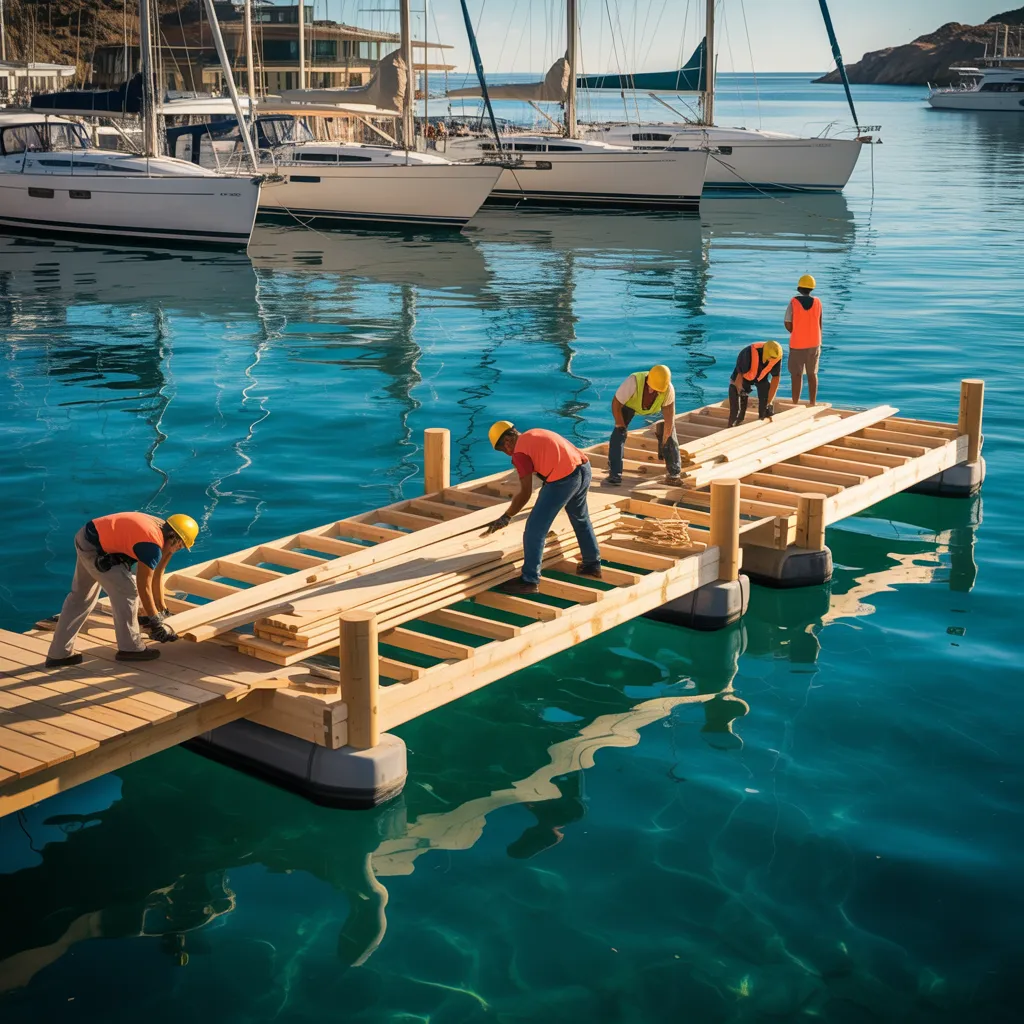
Exploring Aquatic Habitats: Key Factors to Examine
Marine surroundings pose unique obstacles and considerations for construction initiatives. Elements including tidal fluctuations, wave activity, and water currents significantly affect design and installation procedures. The high salinity levels in seawater can result in expedited corrosion of materials, demanding deliberate selection of construction methods and protective solutions. Additionally, sediment movement and erosion can impact the stability of structures like docks and seawalls, requiring thorough site assessments prior to construction.
Environmental rules also serve an important function, requiring compliance with guidelines that protect marine ecosystems. This includes considering local wildlife habitats and water quality during the planning stages. Furthermore, access for construction crews and equipment is often restricted in marine environments, introducing additional challenges to carrying out construction projects. Overall, recognizing these critical considerations plays a vital role in ensuring marine construction success, ensuring that structures are durable, safe, and environmentally conscious.
What Are the Best Materials for Docks and Seawalls?
Choosing the right options for seawalls and docks is important for providing long-term performance and reliability. Numerous choices exist, each offering their own strengths and potential weaknesses. Additionally, ecological factors play a significant role in selecting environmentally responsible materials while providing structural integrity.
Optimal Material Selections
When selecting the right materials for docks and seawalls, it is essential to consider key factors including strength, environmental effects, and maintenance needs. Frequently used materials include treated timber, which provides a timeless appearance but may require regular upkeep. Concrete remains a top choice due to its resilience and lasting performance, making it ideal for heavy loads and harsh conditions. Vinyl and composite solutions deliver a reduced-upkeep choice, withstanding deterioration and corrosion, although initial costs may be higher. Steel, particularly galvanized or marine-grade, is robust and suitable for industrial applications, though it requires protective coatings to prevent rust. Ultimately, the right material depends on individual location factors, designated purpose, and financial considerations, ensuring functionality and longevity in marine environments.
Environmental Considerations
As environmental factors serve a critical function in the material selection process for docks and seawalls, the effect on surrounding ecosystems must not be overlooked. Eco-friendly materials like natural stone, recycled plastics, and treated wood often prove to be preferred choices. These materials not only minimize ecological disruption but also strengthen longevity in challenging coastal conditions. For instance, incorporating permeable surfaces can decrease runoff and support water clarity. Additionally, choosing non-toxic coatings and treatments helps protect aquatic life. It is critically important to examine the particular ecological setting, including local flora and fauna, before determining appropriate materials. By prioritizing eco-friendly options, marine construction can coexist with the natural environment, ensuring that development enhances rather than disrupts the local ecosystem.
Critical Regulations and Permits for Marine Construction
Within the marine construction industry, familiarizing yourself with critical regulations and permits is vital for achieving successful project outcomes. Municipal zoning regulations determine where construction of docks and seawalls is allowed, while ecological impact evaluations assess possible effects on the surrounding ecosystem. Maneuvering through the permitting process is essential to maintain conformity with all legal requirements.
Local Zoning Ordinances
Local zoning laws are fundamentally important in coastal construction projects, particularly in the planning and installation of marine structures such as docks and seawalls. Such regulations govern land utilization, establishing where and how marine structures can be constructed. Compliance with local zoning ordinances confirms that development is in line with community standards, the protection of the environment, and land development standards. Certain permits are commonly needed, which may involve submitting detailed plans for assessment by governing bodies. Zoning laws frequently address issues such as property boundaries, structure height, and setback requirements. Failure to adhere to these regulations can result in penalties, including fines or the dismantling of unauthorized structures. As a result, familiarizing oneself with local zoning laws is essential for the success of marine construction endeavors.
Environmental Impact Analysis
Environmental Impact Assessments (EIAs) serve as vital parts in the marine building process, especially for initiatives that include docks and seawalls. These evaluations examine the potential environmental effects of anticipated construction projects on local ecosystems, water quality, and wildlife habitats. Government authorities frequently mandate EIAs to ensure adherence to environmental laws and standards. The methodology commonly includes collecting data on existing conditions, stakeholder consultations, and establishing reduction strategies for harmful consequences. EIAs serve a fundamental function in promoting sustainable practices in marine construction, guiding developers in making informed decisions that align with environmental conservation efforts. By prioritizing ecological considerations, EIAs assist in harmonizing construction demands with the protection of aquatic ecosystems.
Permit Application Process
Navigating the permit application process for waterway construction demands careful attention to key regulations and permits that oversee such ventures. This process generally requires obtaining approvals from municipal, state, and federal bodies, ensuring compliance with ecological statutes and land-use regulations. Those applying must furnish thorough plans and paperwork, including site assessments and potential environmental impacts. Key permits often include those from the Army Corps of Engineers, state environmental agencies, and community planning authorities. Timelines can vary, so proactive communication with governing agencies is vital to facilitate smoother approvals. Additionally, public consultation may be necessary, permitting affected parties to raise issues. Effectively navigating this challenging framework is necessary for any marine construction project to move forward compliantly and productively.
Core Design Principles for Long-Lasting and Visually Appealing Marine Structures
Constructing marine structures that are resilient and attractive in appearance requires thoughtful attention to design fundamentals. As a starting point, materials must be sourced based on their ability to withstand demanding marine conditions, such as anti-corrosion alloys and weather-treated lumber. Ensuring structural soundness is critical; plans must include adequate load-bearing mechanisms to withstand forces from waves and currents.
Furthermore, aesthetics are a key factor in the general attractiveness of nautical constructions. Incorporating natural components, like landscaping and color palettes that complement the surrounding environment, promotes visual balance.
Furthermore, functionality should not be overlooked; designs must facilitate ease of access and usage while ensuring safety for users.
Finally, environmentally responsible approaches must be embedded within the design framework, employing sustainable materials and reducing ecological footprint. By balancing durability with aesthetic appeal, waterfront construction projects can secure long-term durability and design satisfaction, overview efficiently fulfilling both operational and sustainability objectives.
Top Guidelines for Marine Structure Installation
Correctly installing marine structures necessitates following a set of best practices that secure both functionality and long-term performance. To begin, comprehensive site evaluations are critical, encompassing soil testing and hydrological studies, to guide design decisions. Accurate measurements and alignment during construction prevent structural issues and enhance stability. Employing premium materials that resist corrosion and marine wear is essential for long-lasting performance.
Moreover, hiring seasoned technicians confirms that installation follows regional codes and safety requirements. Sufficient anchoring solutions need to be included to withstand environmental forces, including ocean waves and water currents.
In addition, timely evaluations before and after installation can detect possible problems early, allowing for remedial actions before they worsen. By following these best practices, specialists in marine construction can guarantee that seawalls, boat lifts, and docks function optimally while handling the pressures presented by coastal conditions.
Essential Tips for Prolonging the Life of Marine Structures
Following confirmation of the correct placement of marine structures, regular maintenance is vital for maximizing their lifespan. Routine examinations should be performed to recognize evidence of damage, such as cracks, corrosion, or loose fittings. Resolving these problems quickly can stop additional structural harm. The cleaning of marine structures is equally essential; removing debris and algae preserves both structural soundness and visual appearance.
Furthermore, applying protective coatings can defend exposed surfaces from demanding marine conditions. For timber components, applying preservatives will discourage decay and insect infestation. It is also critical to check and maintain any mechanical equipment, such as marine lifts, to secure reliable and safe operation.
Additionally, periodic upkeep, particularly prior to and following winter, can minimize possible damage caused by weather. By following these maintenance practices, maritime installations can not only stand up to the elements but also ensure dependable usability for many years, ultimately enhancing their overall value and functionality.
Cutting-Edge Trends in Marine Construction: What's on the Horizon?
As the marine construction sector advances, new trends are developing that are set to boost both sustainability and efficiency in designing and installing structures like docks and seawalls. A notable trend involves the adoption of eco-friendly materials, such as recycled plastics and sustainable timber, which lower environmental impact while upholding structural integrity. Additionally, advancements in modular construction techniques facilitate swifter, more versatile installations, reducing disruptions to marine ecosystems.
Another significant development is the integration of smart technology. Sensors and monitoring systems can supply real-time data on environmental conditions and structural health, facilitating proactive maintenance and lowering long-term costs. Additionally, principles of biophilic design are growing in prominence, promoting structures that integrate with surrounding ecosystems and support local wildlife.
In combination, these developments suggest a move towards more sustainable and groundbreaking marine construction practices, setting a new standard for upcoming developments and tackling the growing pressures arising from urbanization and climate change.
Questions We Are Often Asked
How Do Tides Affect Dock Design and Installation
Tidal patterns significantly impact dock design and installation by dictating structural stability, elevation, and accessibility. Designers must consider tidal ranges to ensure safety and functionality, modifying plans to accommodate varying water levels and environmental conditions.
What Are the Environmental Impacts of Marine Construction?
Marine construction may interfere with nearby natural habitats, alter the natural movement of water, and influence the movement of sediments. Additionally, such activities can result in the deterioration of living environments for marine life and result in pollution, necessitating comprehensive environmental reviews and sustainable practices.
Can I Construct a Dock Without Hiring a Professional Contractor?
Constructing a dock without a professional builder is possible, but it demands extensive knowledge of regional regulations, structural considerations, and environmental considerations. DIY dock construction could cause significant safety risks and compliance issues if not carried out properly.
What Should I Consider When Choosing the Ideal Location for My Boat Lift?
To choose the right location for a boat lift, one must consider water depth, closeness to navigation channels, tidal fluctuations, and possible obstacles. Additionally, examining local regulations and environmental impact is necessary for appropriate installation.
Which Insurance Policies Are Necessary for Marine Construction Projects?
For marine construction projects, extensive insurance commonly covers general liability, workers' compensation, and specialized marine coverage. This protects against potential property damages, workplace accidents, and liability disputes, guaranteeing financial stability throughout the project's lifespan and afterward.